November's Floral Stars: The Chrysanthemum and the Peony
November's Floral Stars: The Chrysanthemum and the Peony
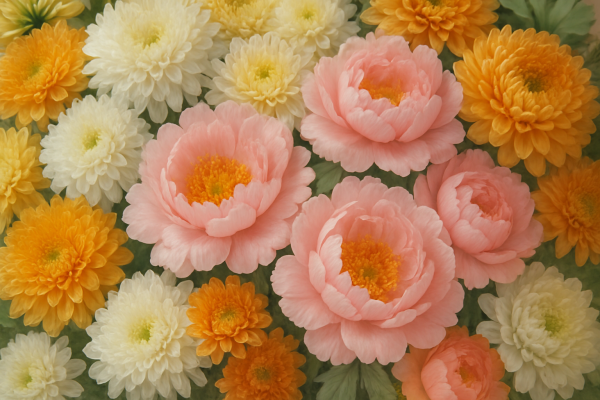
As the year winds down and a crisp autumn chill fills the air, November arrives with its own unique charm. It’s a time of transition, a gentle slide into the festive season. And just like every other month, November has its own special flowers to celebrate those born within it. If you're a November baby, or know someone who is, you're in for a treat! You get not one, but two stunning birth flowers: the vibrant chrysanthemum and the plush peony. It's a beautiful duality, offering a choice between the cheerful, resilient "mum" and the romantic, luxurious peony. Let's dive into the wonderful world of the November birth flower and discover what makes these two blooms so special.
The Chrysanthemum: A Burst of Autumnal Joy
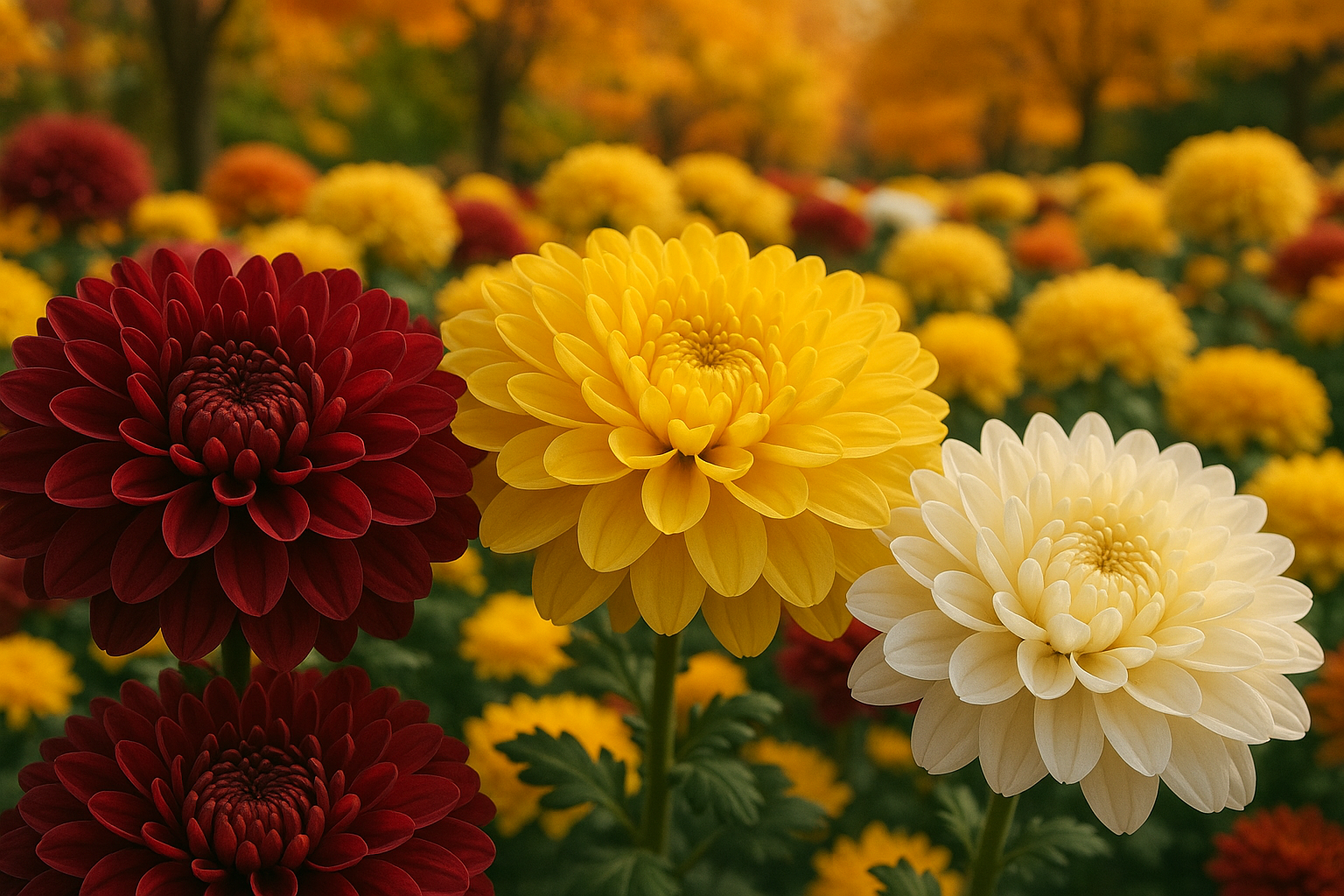
The primary birth flower for November is the chrysanthemum, often affectionately called the "mum." These delightful flowers are a quintessential symbol of autumn, their rich, warm colours mirroring the changing leaves. From deep burgundies and sunny yellows to soft pinks and pure whites, chrysanthemums bring a welcome splash of colour to the late autumn landscape. They are one of the most popular cut flowers in the world, and for good reason! Their cheerful disposition and long-lasting nature make them a perfect gift to brighten anyone's day.
A Journey Through Time: The History of the Chrysanthemum
The story of the chrysanthemum is as rich and colourful as the flower itself. Its history begins in China, where it was first cultivated as a flowering herb as far back as the 15th century B.C. In ancient China, the chrysanthemum, or "Chu" as it was known, was believed to hold the power of life. Its roots were boiled to create a remedy for headaches, its young sprouts and petals were eaten in salads, and its leaves were brewed into a festive tea. The flower was so revered that a city, Chu-Hsien (meaning Chrysanthemum City), was named in its honour.
Around the 8th century A.D., the chrysanthemum made its way to Japan. The Japanese were so captivated by its beauty that they adopted a single-flowered chrysanthemum as the crest and official seal of the Emperor. This Imperial Seal, known as the Chrysanthemum Flower Seal, is still used by the Emperor and the Imperial Family today. Japan even has a National Chrysanthemum Day, known as the Festival of Happiness, which is one of the five ancient festival days in the country.
The chrysanthemum's journey to the Western world began in the 17th century, introduced by a Swedish botanist. The name "chrysanthemum" is derived from the Greek words "chrysos," meaning gold, and "anthemon," meaning flower. While the name translates to "gold flower" in both Chinese and Japanese, the symbolism of the flower took on different meanings as it travelled across cultures.
The Many Meanings of the Mum
The chrysanthemum is a flower with a multitude of meanings, often depending on its colour and the cultural context. Generally, it symbolizes joy, longevity, and optimism. In the United States, chrysanthemums are often associated with friendship, happiness, and well-being. They are a popular choice for autumn bouquets and decorations, bringing a sense of cheerfulness to the season.
In Asia, the chrysanthemum holds a particularly special place. In China, it is a symbol of vitality and is believed to bring good luck and happiness into the home. In Japan, the flower is associated with perfection and the sun. However, in some European countries, such as Austria, Belgium, and France, the chrysanthemum is seen as a symbol of death and is primarily used for funerals and to adorn graves. This stark contrast in symbolism highlights the fascinating journey of this flower and how its meaning has evolved across different cultures.
Colours and their meanings:
-
Red chrysanthemums: love and deep passion
-
White chrysanthemums: purity, innocence, and honesty
-
Yellow chrysanthemums: neglected love or sorrow
-
Violet chrysanthemums: wishes for recovery
Caring for Your Chrysanthemums
For Cut Chrysanthemums:
-
Use a clean vase and fresh water.
-
Add flower food.
-
Trim stems at an angle.
-
Remove lower leaves.
-
Keep them cool.
-
Avoid fruit nearby.
-
Change water regularly.
For Potted Chrysanthemums:
-
Provide at least six hours of sunlight.
-
Water consistently at the base.
-
Use well-draining soil.
-
Pinch back growth for bushier plants.
The Peony: A Symbol of Romance and Prosperity
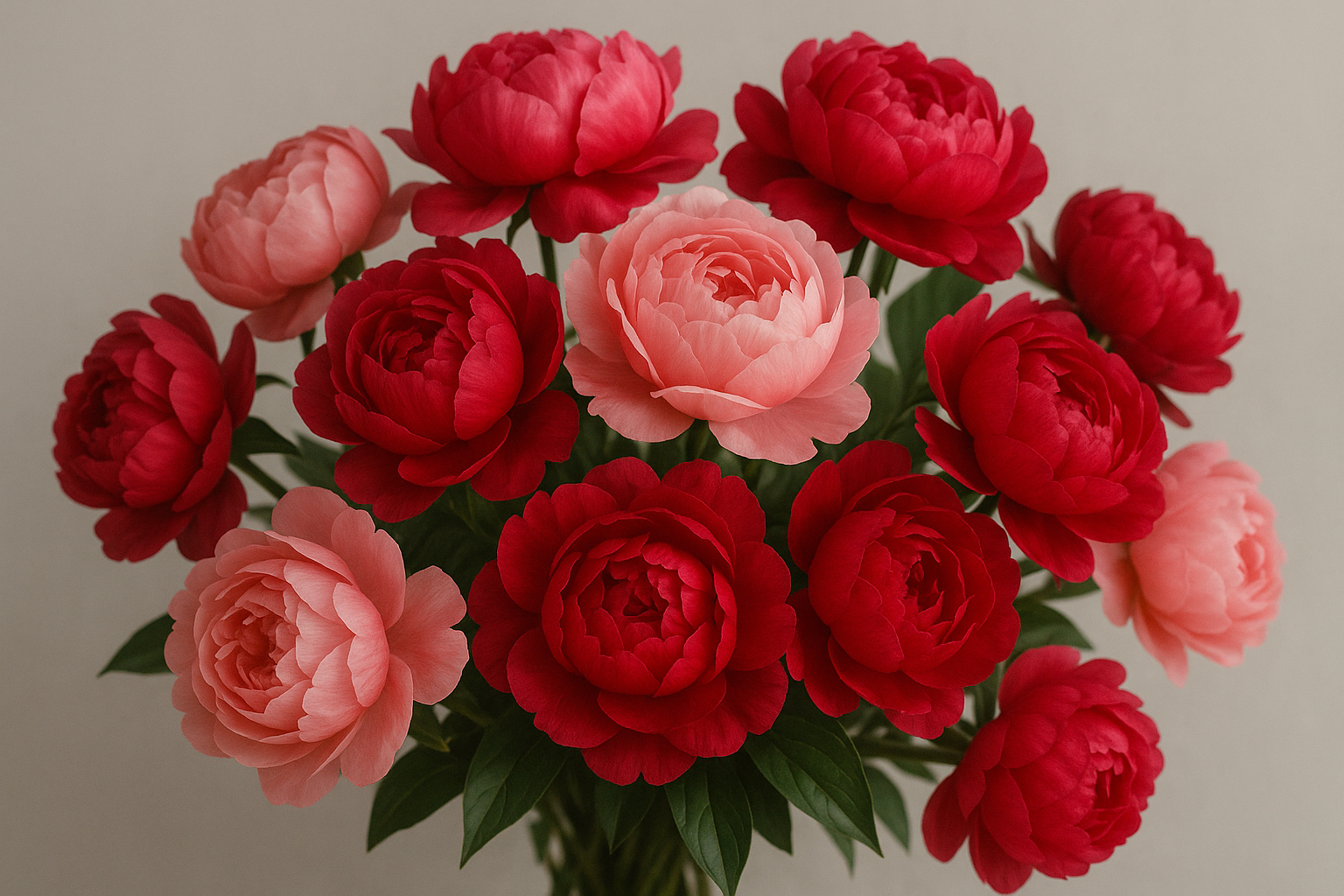
The second, and equally beautiful, November birth flower is the peony. While often associated with late spring and early summer, its enduring popularity and rich symbolism have earned it a place as a November birth flower. Known for their large, lush, and often fragrant blooms, peonies are a true showstopper. Their soft, ruffled petals and romantic appeal make them a favourite for weddings and special occasions.
A Flower Fit for Royalty: The History of the Peony
The peony has a long and noble history, dating back thousands of years. It was first cultivated in China, where it was highly esteemed and known as the "king of flowers." For a long time, only Chinese emperors were allowed to have peonies, making them a symbol of wealth, honour, and royalty. The peony was also valued for its medicinal properties, with its roots and seeds used in traditional Chinese medicine to treat a variety of ailments.
The peony's journey to Europe began in the early 1800s, where it quickly gained popularity as an ornamental plant. The Victorians, with their love for the language of flowers, embraced the peony as a symbol of romance and a happy marriage. Today, the peony remains a beloved flower around the world, cherished for its beauty and rich history.
The name "peony" is rooted in Greek mythology. According to legend, the flower was named after Paeon, the physician to the gods. Paeon used a peony to heal a wound for Pluto, which angered his teacher, Asclepius, the god of medicine. To save Paeon from his teacher's jealousy, Zeus transformed him into a beautiful peony flower. This story has led to the peony also symbolizing compassion and healing.
The Language of Peonies
Like the chrysanthemum, the peony has a rich symbolic language, with its meaning often tied to its colour. In general, peonies represent romance, prosperity, good fortune, and a happy marriage. They are also the traditional flower for a 12th wedding anniversary.
Colours and their meanings:
-
Red peonies: love, passion, honour, and respect
-
Pink peonies: romance, a happy marriage, and good fortune
-
White peonies: purity, innocence, and bashfulness (often used to express apology)
-
Yellow peonies: happiness, warmth, and friendship
-
Coral peonies: success, strong relationships, and happiness
Caring for Your Peonies
For Cut Peonies:
-
Choose buds that are slightly open.
-
Trim stems at an angle.
-
Use a clean vase with lukewarm water.
-
Add flower food.
-
Remove lower leaves.
-
Give them space in the vase.
-
Keep them cool.
-
Help buds open with lukewarm water if needed.
For Potted Peonies:
-
Provide 6–8 hours of sunlight daily.
-
Ensure well-drained soil.
-
Plant with “eyes” no more than 2 inches below the surface.
-
Be patient: they may take years to bloom fully.
A Perfect November Gift
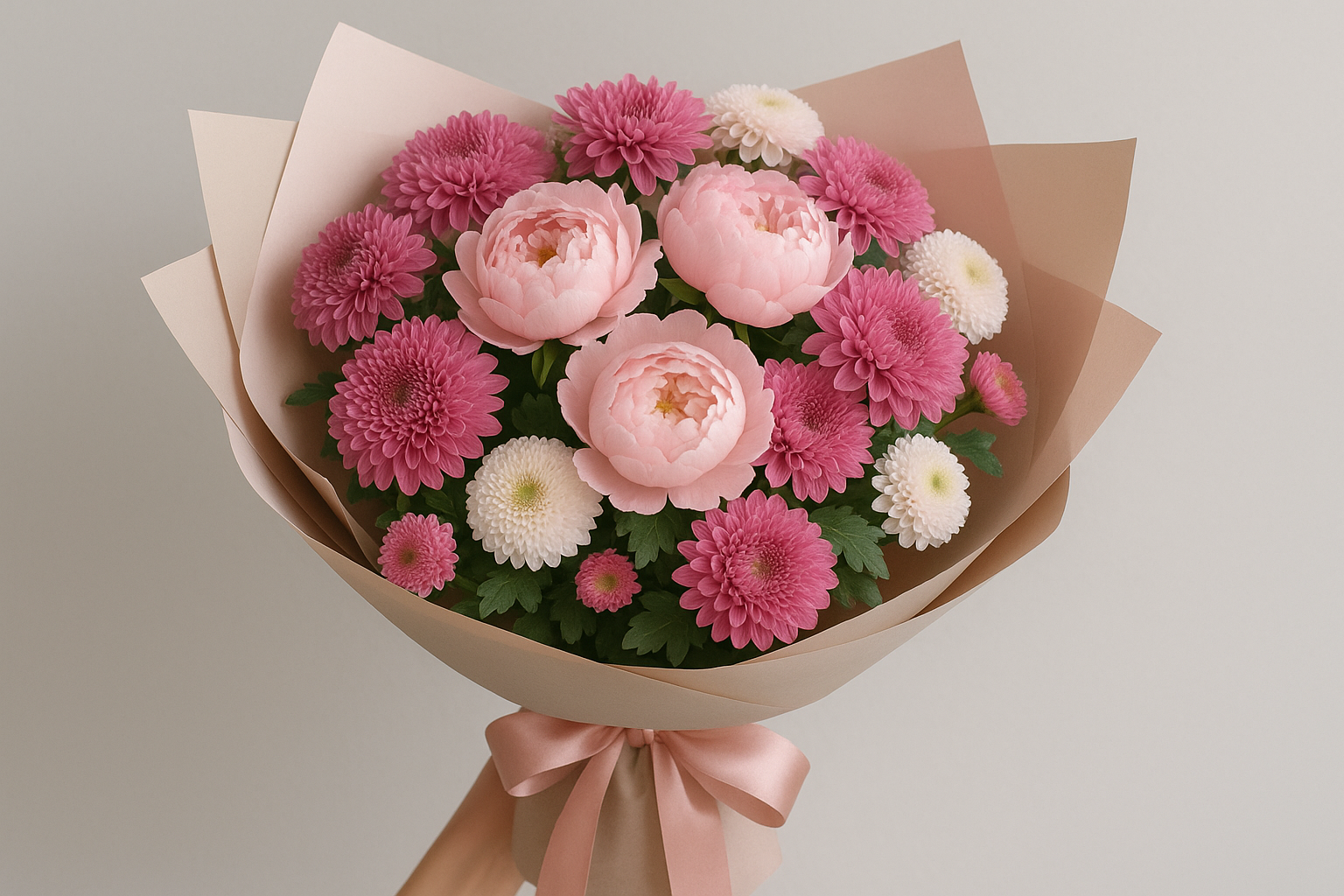
Whether you choose the cheerful chrysanthemum or the romantic peony, you can't go wrong with the November birth flower. Both of these beautiful blooms offer a wealth of meaning and a touch of natural beauty to any occasion. So, the next time you're looking for a thoughtful gift for a November-born friend or loved one, consider a beautiful bouquet of chrysanthemums or a stunning arrangement of peonies. It's a wonderful way to celebrate their special day and share the joy of these magnificent flowers.
At Potico.sg, we have a wide selection of beautiful bouquets and arrangements featuring chrysanthemums, peonies, and other stunning blooms. Let us help you find the perfect floral gift to make any November birthday extra special!