Words of Comfort: How to Write a Sympathy Card in Singapore

When someone we know is grieving, finding the right words to say can feel like an impossible task. We want to offer comfort and support, but the fear of saying the wrong thing can often leave us silent. In these moments, a thoughtfully written sympathy card, accompanied by a gentle gesture like a bouquet of Funeral Flowers, can speak volumes when our own words fail us.
In Singapore's multicultural society, expressing condolences is a deeply ingrained part of our community spirit. It's a way to show that we care, that we're thinking of the bereaved, and that they are not alone in their sorrow. This guide is here to help you navigate the delicate process of writing a sympathy card and choosing an appropriate tribute, offering suggestions that are both heartfelt and mindful of local customs.
The Power of a Simple, Sincere Message
You don't need to be a poet to write a meaningful sympathy message. The most comforting words are often the simplest and most sincere. The goal is not to take away the pain of loss, but to acknowledge it and offer a sense of shared humanity. A few genuine sentences can be a beacon of light during a very dark time.
Remember, the act of reaching out matters most. Your message is a tangible reminder to the grieving family that they are in your thoughts.
A Step-by-Step Guide to Crafting Your Message
If you're unsure where to begin, breaking down the process into smaller steps can make it more manageable.
1. Start with a Gentle Opening
Begin by addressing the recipient by name. A warm, compassionate greeting sets a gentle tone.
-
Examples:
-
"Dear [Name], I was so deeply saddened to hear about the passing of [Deceased's Name]."
-
"My dearest [Name], I was heartbroken to learn of your loss."
-
2. Express Your Condolences
This is the core of your message. Acknowledge the loss and offer your sympathies sincerely.
-
Examples:
-
"Words cannot express the sorrow I feel for your loss."
-
"My heartfelt condolences to you and your family during this incredibly difficult time."
-
3. Share a Fond Memory (If Appropriate)
If you knew the deceased, sharing a positive memory can be a wonderful comfort. It helps to affirm the life that was lived and their impact on others.
-
Examples:
-
"I will always remember [Deceased's Name]'s incredible kindness and how they always had a smile for everyone."
-
"I have such fond memories of working with [Deceased's Name]. Their passion was truly inspiring."
-
4. Offer Specific and Practical Support
Grief can be overwhelming. Instead of a general "let me know if you need anything," offering specific help can be more practical. A thoughtful gesture, like sending a nourishing Fruit Basket to the home, can be a quiet way to show you care about their well-being during a time when self-care is often forgotten.
-
Examples:
-
"I'm just a phone call away if you need someone to talk to."
-
"I would be happy to help with grocery shopping next week."
-
5. End with a Warm and Comforting Closing
Conclude your message with a final expression of sympathy and support.
-
Examples:
-
"With deepest sympathy,"
-
"Wishing you peace and comfort,"
-
"Our thoughts are with you."
-
What to Avoid Writing in a Sympathy Card
Just as important as what to say is what not to say. Avoid these common pitfalls:
-
Avoid clichés: Phrases like "They are in a better place" can feel dismissive of the person's grief.
-
Don't compare their grief: Avoid saying "I know how you feel." Grief is deeply personal.
-
Don't minimize their loss: Phrases like "At least they lived a long life" can diminish the pain.
-
Avoid focusing on your own feelings: Keep the focus on the person who is grieving.
Choosing a Thoughtful Sympathy Gift: Flowers and Beyond
A beautiful arrangement can be a powerful and comforting gesture, conveying emotions that words alone cannot.
Traditional Funeral Flowers for a Respectful Tribute
In Singapore, certain flowers are traditionally associated with condolences.
-
Lilies & Chrysanthemums (Mums): White lilies symbolize purity and peace. In many Asian cultures, white and yellow chrysanthemums are the most traditional flowers for expressing grief and remembrance.

-
Roses: White Roses convey reverence, humility, and innocence, making them a fitting tribute. Pale, soft-coloured roses can also be used to express gentle remembrance.

-
Carnations & Tulips: White Carnations symbolize pure love and innocence. Similarly, elegant white Tulips represent peace and forgiveness, offering a message of serene respect.

-
A Note on Brighter Blooms: While cheerful flowers like Sunflowers or colourful Gerberas are wonderful for celebratory occasions, they are generally best avoided for traditional funeral services unless specifically requested or if it was the deceased's favourite flower.

Lasting and Alternative Gestures of Support
-
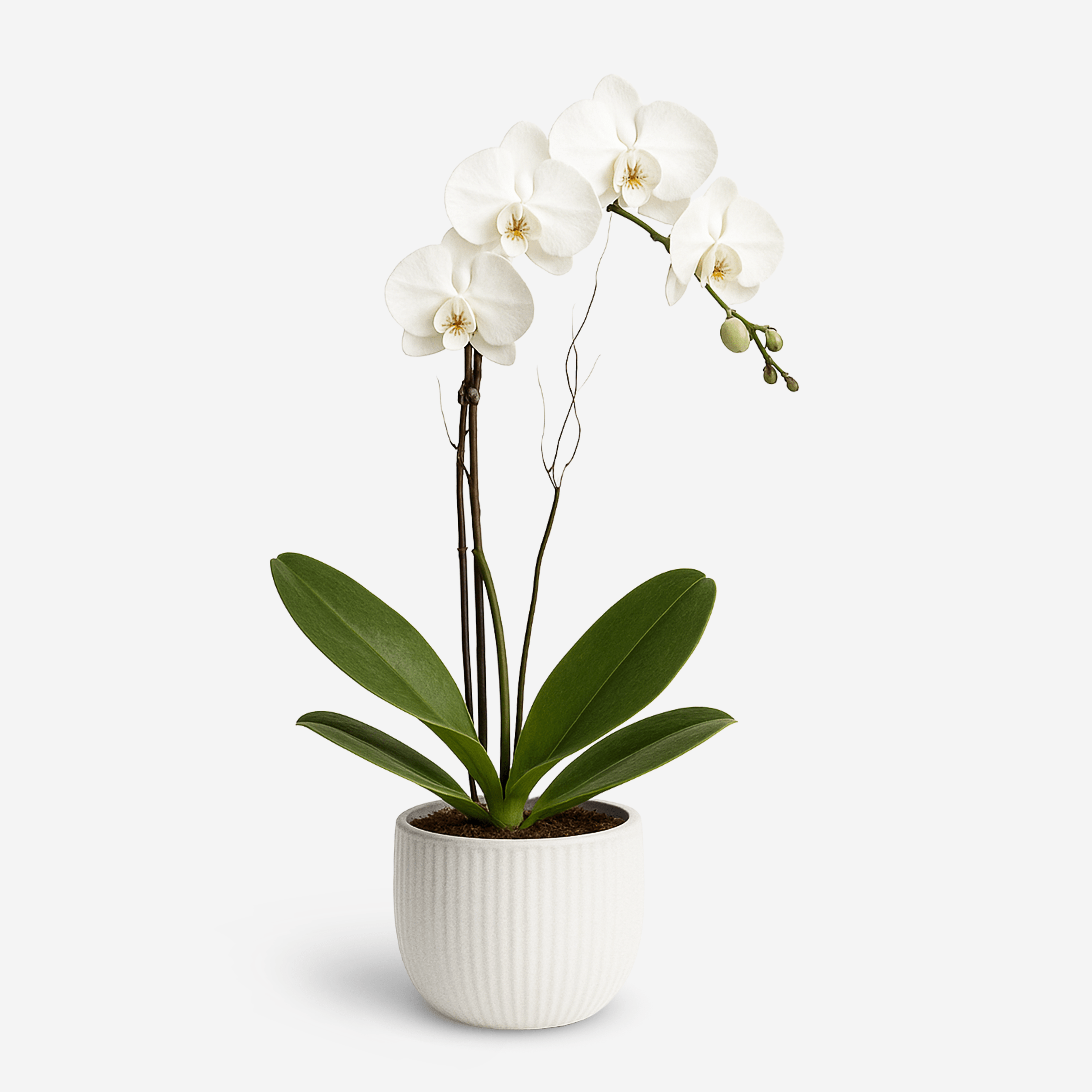
Plants: A living Plant, such as a peace lily or an orchid, can be a beautiful and lasting tribute sent to the family's home. It serves as an enduring symbol of life and continuing memory.
-
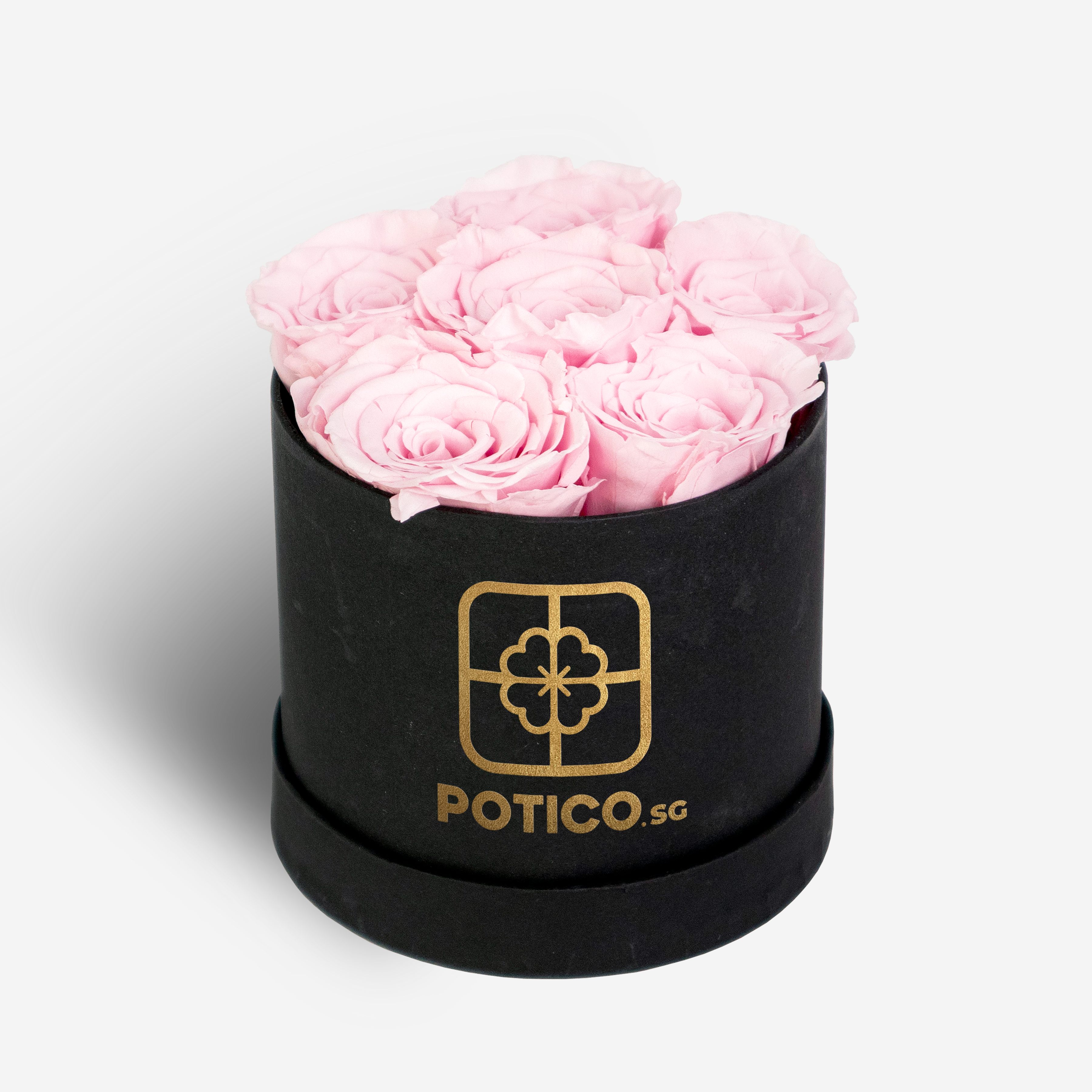
Preserved Flowers: For a tribute that lasts, a tastefully arranged display of Preserved Flowers offers an everlasting memento, symbolizing that the memory of their loved one will not fade.
-
A Nourishing Fruit Basket: A thoughtfully arranged Fruit Baskets offers a practical gesture of care. It provides quiet support to the grieving family, ensuring they have something healthy and simple to eat during a challenging time.

At Potico.sg, we understand the importance of expressing your condolences with grace and sensitivity. We offer a wide selection of thoughtfully arranged Funeral Flowers, from elegant bouquets to respectful funeral wreaths and stands. We also provide lasting Plants and tasteful Fruit Baskets to help you convey your heartfelt sympathies. Our team is here to help you choose the perfect arrangement, and our reliable, free same-day delivery across Singapore ensures your tribute arrives in a timely and respectful manner.
Choosing the right flower adds a profound layer of meaning to your gesture of support. Explore our guides to understand the traditional symbolism of Chrysanthemums, the resilient meaning of Orchids, and the rich language of Roses. These insights will help you communicate your heartfelt message with perfect grace.
A Final Thought
In times of loss, it's the simple acts of kindness that can make the biggest difference. Taking a few moments to write a sincere sympathy card is a powerful way to show you care. Let your heart guide your words, and know that your message of comfort will be a cherished gesture of support for someone navigating a difficult journey of grief.